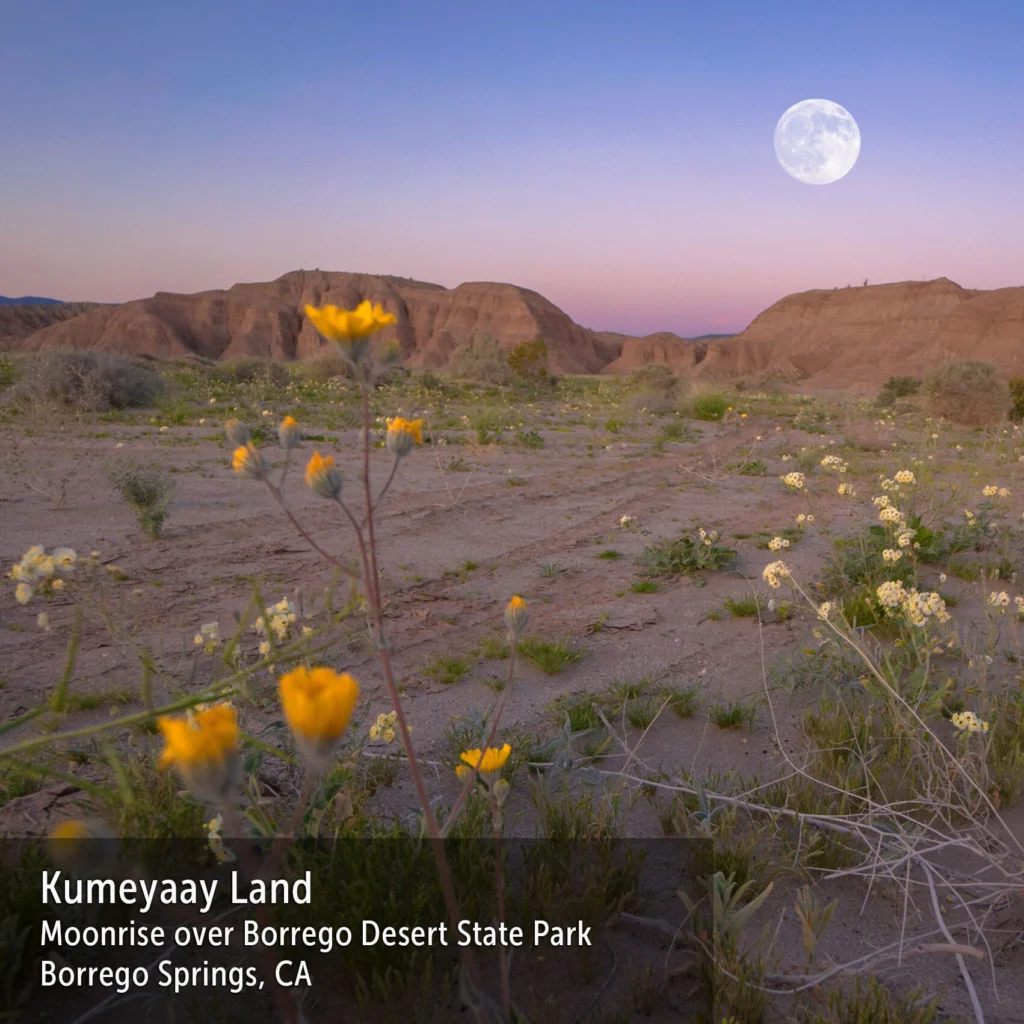

Purpose of Land Acknowledgement
The purpose of a land acknowledgement is to recognize the relationship of Indigenous peoples to the land. It is multi-faceted in its meaning. It shows respect to the people of the land, to the land itself and to their relationship to one another.
They are statements that recognize the dispossession from the land, the harm brought by colonial practices, beliefs and policies. They validate and recognize the continued presence of Indigenous peoples everywhere. Lastly, when offered in earnest and with sincerity, they are the first steps in reconciliation and healing.
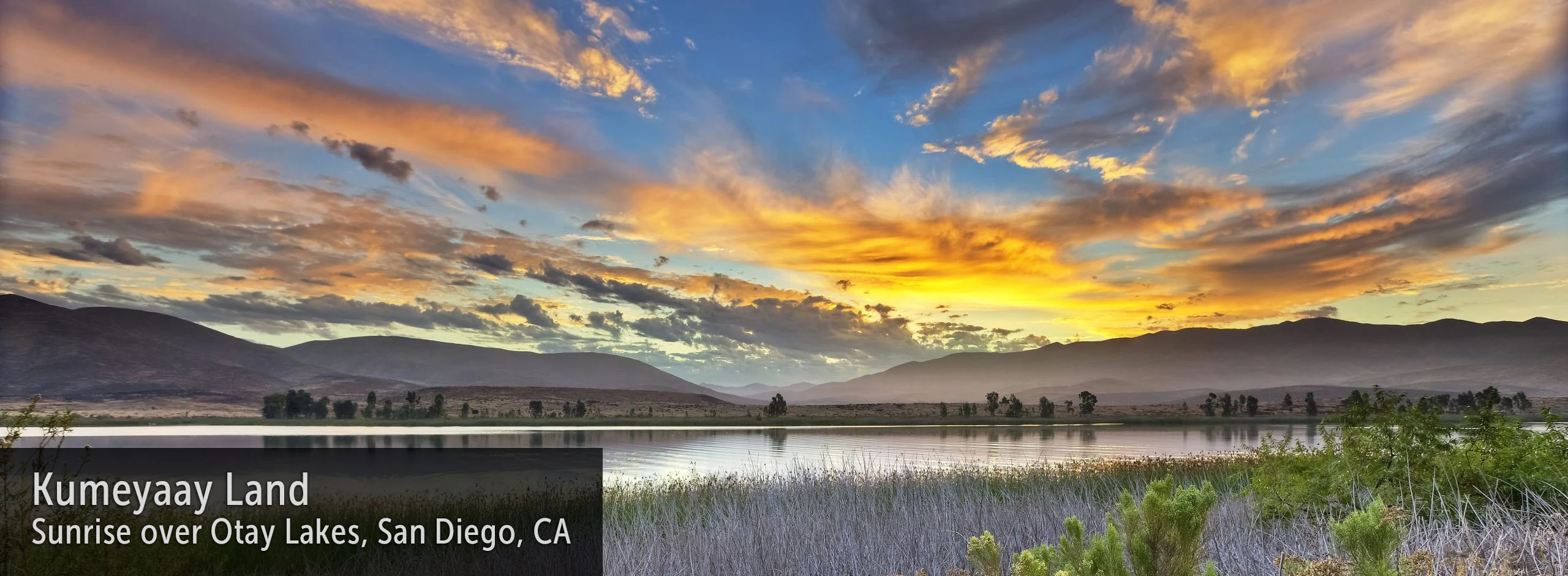
Our Statement
For millennia, Indigenous peoples have been a part of this land. This land has nourished, healed, protected, and embraced them for many generations in a relationship of balance and harmony.
As members of the Academy community, we acknowledge this legacy. We promote this balance and harmony. We find inspiration from this land; the land of the Iipay/Tipai [ee-pie/tee-pie], Luiseño [Loo-sin-yo], Cahuilla [ka-wee-ahh], Cupeño [koo-pane-yoh], Gabrieleño [gab-ree-uh-lee-n-yo], Juaneño [hua-ne-n-yo], Serrano [Ser-ran-o], Chemehuevi [chem-e-way-vee], Kwatsáan [kaw-ts-aan], Chumash [shu-mAsh], Kwapa [kwA-pA], and Fernandeño Tataviam [fer-nan-de-n-yo tat-tA-vee-um].
Making a statement isn’t enough. It is important that we share ways people can take action to support Native American people and land back efforts.
Native Lands Interactive Map
Highlighted: Kumeyaay territory. This map does not represent or intend to represent official or legal boundaries of any Indigenous nations. To learn about definitive boundaries, contact the nations in question.
Also, this map is not perfect — it is a work in progress with tons of contributions from the community. If you would like to read more about the ideas behind Native Land or where we are going, check out the Native Land blog and roadmap.
How to Take Action
While developing a Land Acknowledgement statement is an important step towards reconciliation and healing, the statement alone is not enough. It is important to also identify concrete steps and actions that can be taken.
These actions can involve putting in time and effort to research and learn more about the indigenous communities of the lands you are on; returning artifacts and land to their appropriate tribal communities; working to protect and preserve the land, and much more.